
Real-Food Fuelling for Endurance: My Secret to Avoiding the ‘Bonk’
Updated: May 14, 2025
Why I’ve Never Hit the Wall
If there’s one phrase that sends shivers down runners’ spines, it’s the "bonk"—also known as hitting the wall. But honestly? I’ve never experienced it. The reason is simple: I fuel consistently and deliberately, using mostly real food.
Over the years, I’ve developed a fuelling approach based on natural, easy-to-digest foods like bananas, dates, and even marzipan. These carbohydrate-rich options give me stable energy, keep me mentally sharp, and support quicker post-run recovery. The key is starting early, fuelling often, and listening to your body.
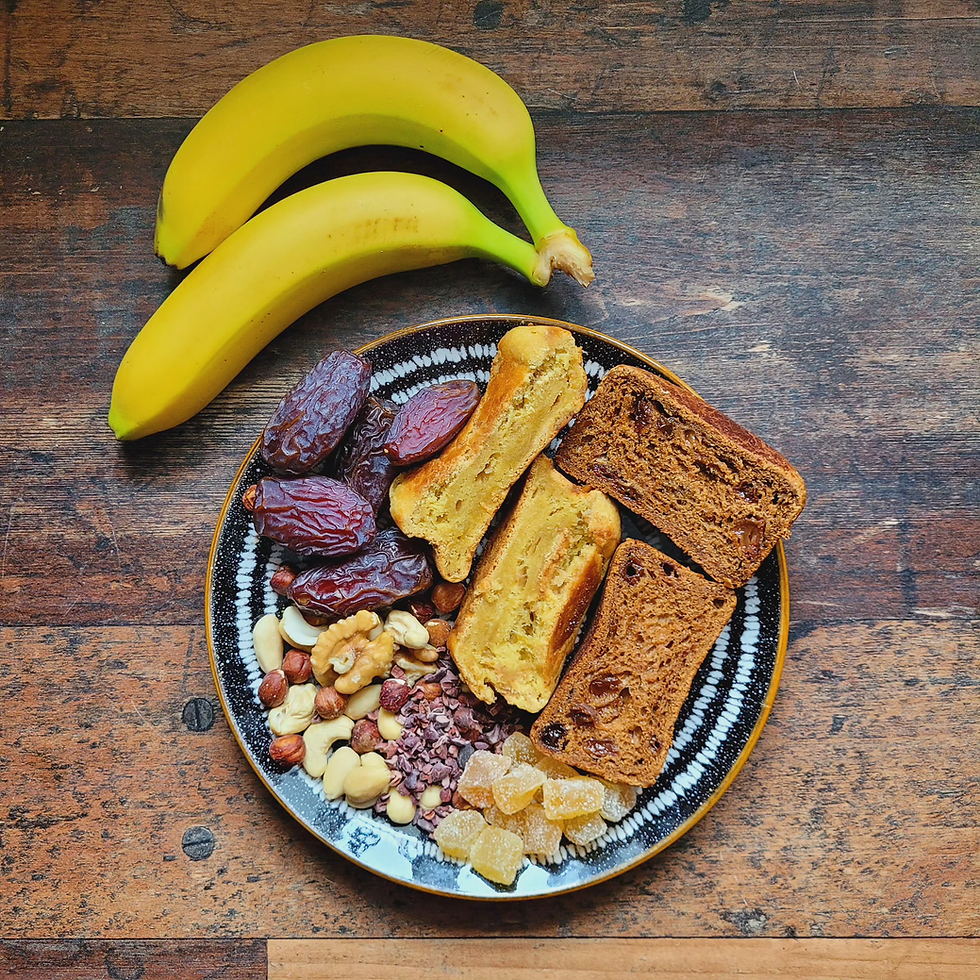
Why Real Food Fuelling Works
Bananas
A classic choice for a reason—rich in potassium, natural sugars, and easy on the stomach. My #1 staple.
Dates
Soft, sweet, and loaded with natural carbohydrates. Perfect mid-run snack with a satisfying texture.
Marzipan
A surprisingly effective source of quick sugars plus a little fat and protein from almonds. Great for ultra-distance variety.
Real food helps top up glycogen stores and keeps your body humming along without the spike-and-crash effect some ultra-processed products can cause.
The Science Behind the Strategy
Carbohydrates = Quick Energy
Muscle glycogen is your body’s main energy source during endurance efforts. Top it up consistently and you’ll delay fatigue.
Mid-Run Fuel = Recovery Gains
Taking in carbs during a session helps preserve muscle and kick-starts glycogen replenishment, making your recovery faster.
Consistent Intake = No Crashes
Spacing out your fuel helps regulate blood sugar and energy levels—reducing the chances of “bonking.”

6 Strategies to Stay Fuelled and Strong
1. Start Fed, Not Full
Eat a light, carb-rich meal about an hour before training. My go-to? Porridge with banana or toast with jam. This prevents starting on empty and supports early energy needs.
2. Fuel Early and Often on Longer Runs
Once I’m running longer than 60–90 minutes, I bring small, familiar snacks. I start fuelling around the 30-minute mark, then top up every 30–45 minutes.
3. Train Your Gut
GI issues are common if you haven’t trained your digestive system. I practise real-food fuelling in long runs to understand what works. If my gut complains, I slow down, sip water, and adjust.
4. Stay Flexible With Options
I usually stick with whole foods, but I’m not anti-gels. When travelling or racing, a few tried-and-tested gels or electrolyte drinks can make fuelling easier.
5. Be Cautious With Fasted Runs
I rarely train fasted. While some use fasted runs to enhance fat metabolism, for women in particular, the risks (hormonal disruption, fatigue, increased injury risk) often outweigh the benefits.
6. Prioritise Post-Run Recovery
Within 30 minutes of finishing, I eat a combo of carbs and protein—often a smoothie or PB & banana sandwich. It speeds up muscle repair and reduces next-day soreness.

The Finishing Touch: Consistency Beats Gimmicks
I credit my consistent energy levels and strong race finishes to smart, real-food fuelling. Genetics might help, but it’s the simple habit of never starting or staying empty that’s made the biggest difference.
Recently, I’ve increased my carb intake during long runs. The result? Better finishes, reduced fatigue, and a big leap in recovery. If you’re unsure about eating more mid-run, trial it during training—you might be amazed.
Frequently Asked Questions
What’s the best food to avoid bonking while running?
Natural carbohydrate sources like bananas, dates, and jam sandwiches are great for sustained energy.
When should I eat during a long run?
Start fuelling around 30 minutes into your run, then top up every 30–45 minutes with small amounts.
Can I use real food in an ultramarathon?
Absolutely. Many ultrarunners rely on real food like fruit, potatoes, or nut butter for variety and gut comfort.
Should I train fasted to burn more fat?
Only if it works for you. For many runners—especially women—fasted training can harm performance and recovery.
Want Help Building Your Fuelling Plan?
I offer personalised coaching that includes endurance fuelling strategy, gut training techniques, and real-time testing plans for training and race day.
References & Further Reading
Jeukendrup, A. (2017). Training the Gut for Athletes. Sports Medicine, 47(1), 101–110.
Stellingwerff, T. (2012). Case Study: Nutrition and Training Periodization in Three Elite Marathon Runners. International Journal of Sport Nutrition and Exercise Metabolism, 22(5), 392–400.
Areta, J. L. et al. (2013). Timing and Distribution of Protein Ingestion During Prolonged Recovery From Resistance Exercise Alters Myofibrillar Protein Synthesis. The Journal of Physiology, 591(9), 2319–2331.
Disclaimer: This article is based on my personal experience and research. Always consult a qualified sports nutritionist for tailored advice.


Comments